
- VIYA Health Kenya
Self-Inject FAQs
Ask, Learn, Share
Your self-inject questions, answered here
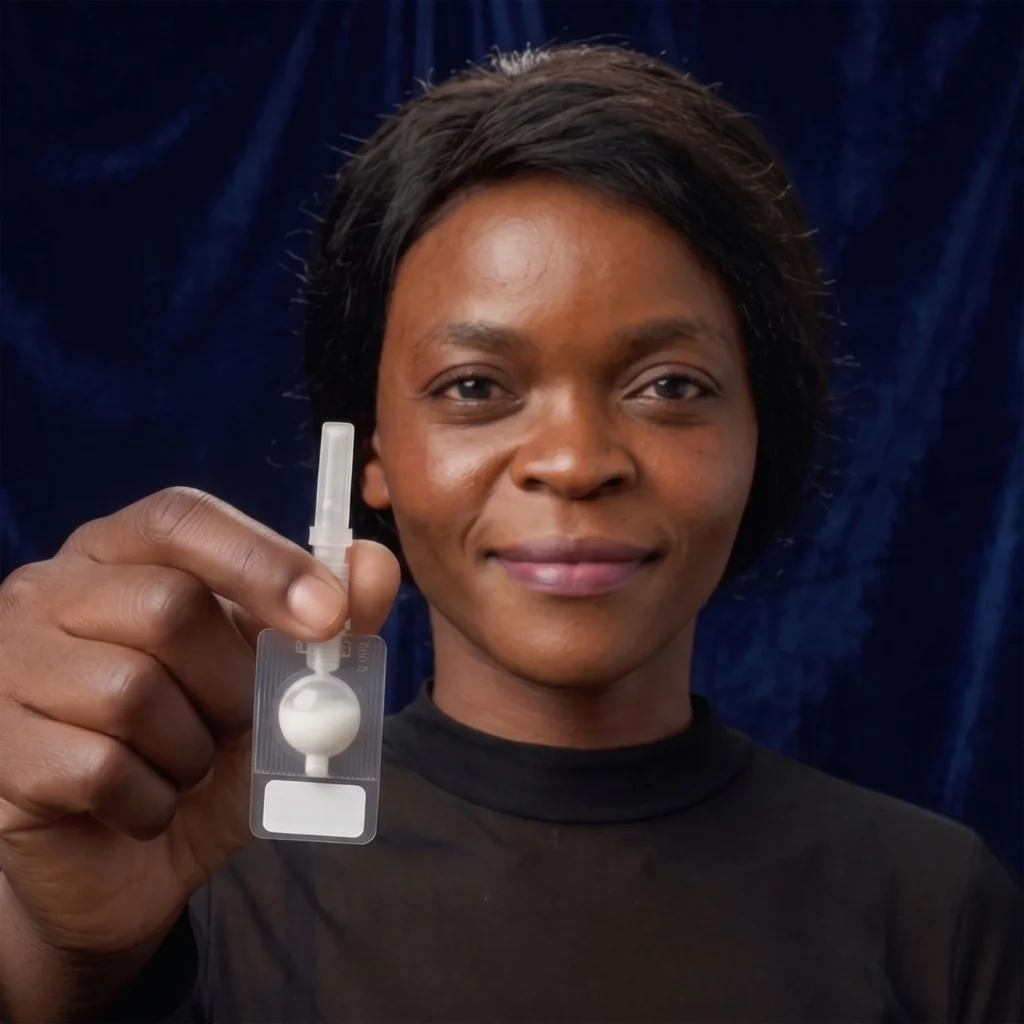
What is DMPA-SC?
DMPA-SC is a highly effective contraceptive injection given under the skin once every 3 months to help prevent pregnancy.
How effective is DMPA-SC?
When used correctly and on schedule, DMPA-SC is more than 99% effective at preventing pregnancy.
How often do I need the injection?
You need one injection every 3 months (12–14 weeks).
Where can I get self-inject?
Self-inject is available at most family planning clinics. A clinic locator tool on our website can guide you to the nearest facility viyahealth.co.ke/get-care/self-inject/geo-locator/
Is DMPA-SC private and convenient?
Yes. Many women choose DMPA-SC because it is discreet, convenient, and can be self-injected at home.
Can I inject DMPA-SC myself?
Yes. DMPA-SC can be self-administered after proper guidance from a healthcare provider.
I’m scared to inject myself – can I get training from a provider?
Yes, absolutely! You do not have to figure this out alone. Healthcare providers (like nurses, doctors, or staff at a family planning clinic) expect this question and are fully prepared to help. You can schedule an appointment for them to walk you through the process, demonstrate how the device works, and supervise your first injection. Having a professional guide you step-by-step is the best way to build your confidence.
In the meantime you can check out thi s instructional video:
How much does the self-injection cost?
Self-injectable contraceptives, specifically Sayana Press (DMPA-SC), generally cost between KSh 300 and KSh 1,000 per injection in private pharmacies and clinics in Kenya. Each injection provides protection for 3 months (90 days).
What is Depo, and how does it differ from self-injection? (Also: I've come across the term 'depo' previously; does it correspond to DMPA / Depo-Provera?)
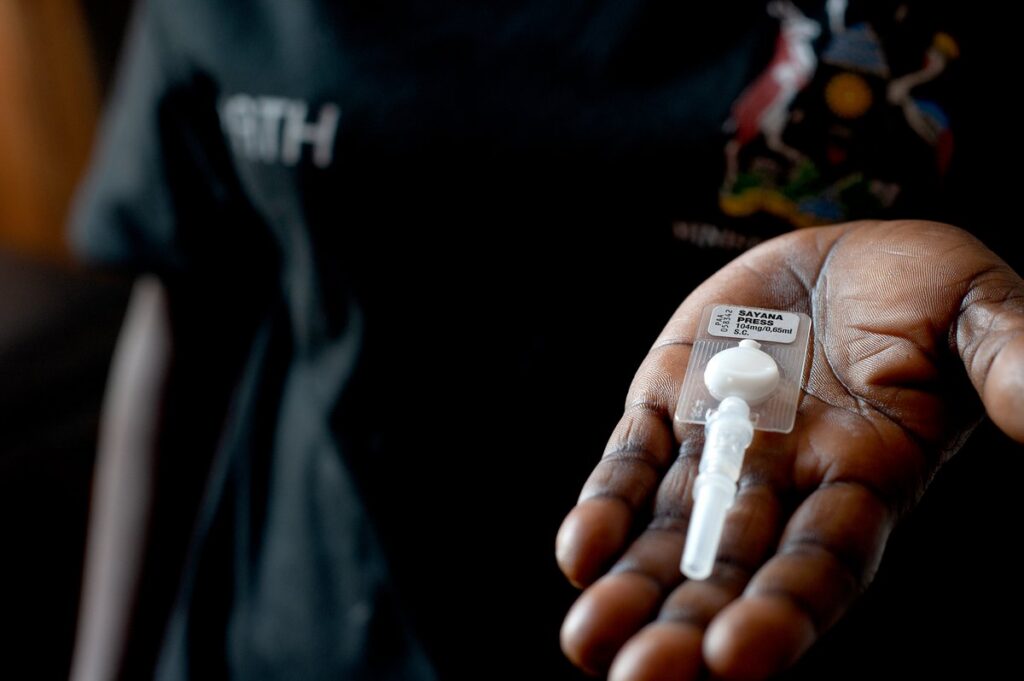
Depo-Provera© is the Pfizer brand name of the intra-muscularly (IM) injectable form of the hormonal contraceptive Depot medroxyprogesterone acetate (DMPA). There are currently two injectable contraceptive products that both contain DMPA. In addition to DMPA-IM, which can only be injected by a healthcare provider, there is sub-cutaneous DMPA or DMPA-SC, and this can be injected by either a provider or by oneself (self-inject) after receiving initial training. DMPA-SC is also known by its Pfizer brand name Sayana Press©. Different people use the term ‘Depo’ in different ways and it’s possible that they are referring to Depo-Provera© specifically, or more broadly to any form of Depot medroxyprogesterone acetate.
Could you explain the distinctions between IM (intra-muscular) and SC (subcutaneous) injections?
Intra-muscular injection requires the use of a standard syringe (like those used for vaccines) and it has a longer needle than sub-cutaneous injection, which only pierces the skin and does not penetrate muscular tissue. DMPA-SC uses a small ‘unit’ known as the Uniject™, which clients can use to inject themselves after initial training. Many users consider SC to be less painful than IM, although this is a subjective experience that may vary by individual. SC can be injected by either a healthcare provider or by oneself, whereas IM can only be injected by a medical professional.
Is it safe to switch from Depo-Provera (DMPA-IM) to self-inject (DMPA-SC)?
Yes. This is a great option for women who would like to make less frequent visits to their provider. You can keep DMPA-SC units at home and self-inject them after you’ve received training.
How can I learn more about the advantages and disadvantages of different methods of family planning?
The best way is to speak with a family planning provider about your preferences and needs, however, you may contact us through the form below and we will answer your questions or direct you to the appropriate vetted practitioner.
Still have questions?
From periods to pleasure and everything in between
Ask VIYA Health Anything!
How do I give the injection?
- Wash your hands thoroughly with soap and water.
- Shake the device to mix the medication for about 30 seconds.
- Clean the injection site on your skin.
- Pinch a “tent” of skin on your upper thigh or lower abdomen.
- Insert the needle at a 45° to 90° angle.
- Squeeze the reservoir slowly for 5-7 seconds until it is completely empty.
Where should I inject?
The best places to inject are the front of the thigh, the stomach (abdomen), or upper arm. If you choose your stomach, ensure you avoid the belly button area.
Is the injection painful?
Most women report little to mild pain during injection.
How do I know if I have injected properly at home?
If you followed the instructions and the reservoir (the squeezy part of the device) is completely empty and deflated, you have successfully given yourself the dose.
It is completely normal to see a tiny drop of medication or a small speck of blood on your skin afterward—this does not mean the injection failed. As long as you held the device in place while squeezing for the full 5-7 seconds and the reservoir is flat, you have done it correctly.
What if some product leaks out of the needle or not all of the product goes into my body?
Check that the needle was fully inserted and apply gentle pressure to help absorb any product that leaked. A small amount remaining is normal. If concerned, contact your healthcare provider or Community Health Worker.
What if I can’t get the needle to activate?
If the needle does not activate after several attempts, contact your healthcare provider or community health worker for support. You may need a new DMPA-SC unit.
I administered the injection on the left upper arm, is it okay?
It’s ok to inject in the upper arm, however, physicians usually recommend injecting in the thigh or abdomen for best results.
Still have questions?
From periods to pleasure and everything in between
Ask VIYA Health Anything!
Is self-inject contraceptive (DMPA-SC) private and convenient?
Yes. Many women choose DMPA-SC because it is discreet, convenient, and can be self-injected at home.
How often do I need to use self-inject?
For continuous protection, self-inject one unit every three months.
When does self-inject start working after the first injection?
This depends on what stage of your menstrual cycle you are in. If used within the first seven days after your period, you will be protected, whereas if you inject after that, you should use a backup contraceptive method, such as condoms, for the first seven days after injecting.
How do I remember my next injection date?
Set a phone reminder, calendar alert, or follow-up appointment with your provider.
What if I am late for my shot?
It is crucial to get your injection within the 13-week window. If your injection is delayed by more than four weeks (making it 17 weeks total since your last shot), your protection against pregnancy may be reduced. If this happens, use a backup birth control method (like condoms) and consult a healthcare worker.
What happens if I miss my next injection?
Speak to a healthcare provider as soon as possible. You may need backup protection such as condoms.
What are the chances of getting pregnant while using self-inject?
DMPA-SC is one of the most effective contraceptive methods available. It is 99% effective in preventing pregnancy.
Can I get pregnant after stopping DMPA-SC?
Yes. Fertility usually returns after stopping DMPA-SC, though it may take several months for some women.
I took my injection but had unprotected sex soon thereafter (before the period mentioned by the doctor). What should I do?
In what part of your menstrual cycle were you in when you took the injection? If it was 5 days or less after your period, then you were definitely protected against pregnancy. If it was after that, then there is some risk of pregnancy if you had unprotected sex less than 7 days after the injection. Depending on the timing of the injection relative to your cycle and when you had sex, it might be a good idea to take a pregnancy test.
I used the contraceptive and I have been bleeding, is it safe to have sex during this period?
DMPA-SC offers three months of guaranteed protection. It is very important to keep track of your injection dates in order to know when your protection will wear off. If it has been less than three months since your last injection, you are not at risk of pregnancy.
If I recently had a baby, when can I start using self-inject?
DMPA-SC is not recommended for breastfeeding women before 6 weeks after giving birth, otherwise, if not breastfeeding, it is fine to use it right after giving birth.
Are there family planning methods available with a one-month duration instead of three months?
Some methods to consider for this duration of protection include the patch and the ring, however, availability of these methods may be limited. It is best to speak with a provider in your area who can tell you which methods are in stock.
Does it protect against HIV or STIs?
No, the contraceptive injection does not protect against Sexually Transmitted Infections (STIs) or HIV. You should continue to use condoms for STI prevention.
Still have questions?
From periods to pleasure and everything in between
Ask VIYA Health Anything!
Is the injection painful?
Most women report little to mild pain during injection.
Who should not use self-inject?
Women with breast cancer, liver disease, certain cardiovascular conditions, or undiagnosed vaginal bleeding should avoid using DMPA-SC. If you’re not sure then it’s a good idea to speak with a doctor.
Can breastfeeding mothers use DMPA-SC?
Yes. Breastfeeding women can generally use DMPA-SC.
Is this contraceptive safe for women who have not given birth?
Yes. DMPA-SC is equally suitable for mothers and women who have not yet given birth.
Is DMPA-SC safe for young women?
Yes. WHO guidelines state DMPA-SC can be used by women of reproductive age, including young women.
Is this contraceptive safe for older women?
Yes. DMPA-SC is safe for women of reproductive age, including older women. However, you should check whether you have underlying health conditions that could make use less safe.
Does body weight affect DMPA-SC?
No. DMPA-SC works effectively regardless of body weight.
I gained weight after using the contraceptive, what should I do?
Weight gain is a normal side effect of hormonal contraceptive methods, although not all users experience it. If your experience with this side effect has been negative, consult with a medical professional and consider switching methods.
What are the side effects and drawbacks caused by self-inject?
Common side effects can include:
- Changes in menstrual bleeding (such as irregular periods or your periods stopping altogether)
- Headaches
- Weight gain
- Dizziness
- Changes in mood
What if I experience side effects that I don’t like?
Common side effects may include changes in bleeding, headaches, or mood changes. These are usually manageable. Speak with your healthcare provider if symptoms continue or concern you.
How long will I experience side effects from self-inject?
This varies by individual as well as how long you’ve been using it. It can take a few months for your menstrual cycle to return to its previous rhythm, however, other side effects stop much sooner than that.
Can I use DMPA-SC with other medications?
Some medications and herbal supplements may affect DMPA-SC. Speak to a healthcare provider before use.
Will DMPA-SC stop my periods?
Some women may experience lighter, irregular, or no periods while using DMPA-SC. This is common and usually not harmful.
How long does it take for fertility to return?
Fertility can take some time to return after you stop using the injections. On average, it takes about 5 to 6 months, though for some, it may take up to 10 months or more to begin ovulating again.
Does the self-injection cause infertility? (Once I stop using it, how long will it take me to get pregnant?)
No, it does not cause infertility. Its effects are temporary. Fertility can take some time to return after you stop using the injections, even if you have been using it for a year or more. On average, fertility returns 10 months after the last injection date, but the range is 4-12 months.
I'm experiencing spotting after using DMPA, is this normal and is it a problem?
That is normal, and isn’t a problem.
Why am I having prolonged, irregular, or no periods after using self-inject?
It is normal for hormonal methods such as DMPA-SC to change users’ menstrual cycles, and women’s experiences with this will vary. Some women may not have a period for a full three months. If your experience of menstrual side effects has been negative, consult with a medical professional and consider switching methods.
Do all family planning methods disrupt the normal menstrual cycle, or are there some methods that don't?
This happens mainly with hormonal methods. For some women, who experience less pain and bleeding as a result, the side effect is a positive one – but for other women, the experience is more adverse. Consider using a non-hormonal method if you do not want your menstrual cycle to change.
Where can I find guidance on how to track my menstrual cycle (including period dates and ovulation)?
You can use Standard Days Method (SDM) or Moon beads (also known as CycleBeads), a color-coded string of beads to track your menstrual cycle, your fertile days (when you are ovulating), and non-fertile days (when it is safe to have sex if you are trying to prevent pregnancy). Moonbeads can be found at most pharmacies, drug shops, supermarkets, and general merchandise outlets. If you have a smartphone, you can download tracking apps from the Apple and Google Play stores at no cost.
Why am I having a vaginal infection?
There could be many reasons for this, and it is best to seek medical attention promptly for an accurate diagnosis. DMPA-SC is not known to cause vaginal infections, but it also does not protect one against STIs. Contact your medical provider if symptoms persist.
Still have questions?
From periods to pleasure and everything in between
Ask VIYA Health Anything!
How do I store the device?
Do I need refrigeration for DMPA-SC?
No. DMPA-SC does not require refrigeration when stored correctly.
How do I dispose of the needle?
Used syringes must never go in your regular trash. They should be safely disposed of in a puncture-proof “sharps container.” Once full, follow your local guidelines or ask your clinic how to safely drop off the container.
Still have questions?
From periods to pleasure and everything in between
Ask VIYA Health Anything!
Discover Your Power
Self Injectable Contraceptive
Take control of your birth control schedule and skip the clinic visits with a discreet, 3-month self-injectable option. Discover how easy it is to manage your contraception safely from the comfort of your own home.
Reimagining Women's Healthcare:A Comprehensive Digital Ecosystem
Get access to the VIYA network of 20+ vetted medical professionals and clinics. Additionally, we are available to help you via chat, phone, and video call! With specialists in many categories, we’ll find a professional for your needs. Your well-being is important to us, and we’re committed to being your trusted partner on your health journey. Contact us today and let us guide you towards a healthier and happier life.


Join the VIYA Health Community
Be Part of our Global Mission for Better Sexual Health and Wellness
Together, we can make a difference by normalising the conversation around sexual health and pleasure. Let your voice be heard within VIYA Health’s worldwide conversation to shape a world where every woman’s pleasure, wellness and health are prioritised.